
Industry information
Company News
- Aluminum alloy air conditioning cover, the guardian of summer coolness!
- Fluorocarbon aluminum veneer: the secret weapon of architectural aesthetics
- Aluminum veneer: the elegant choice in modern architecture
- Fluorocarbon aluminum veneer: the new darling of modern architecture
- 2. Aluminum veneer customization, unlimited creative home choices 3 Aluminum veneer customization allows you to
Industry dynamics
- Aluminum veneer customization makes buildings more in line with people's aesthetic needs
- Aluminum veneer prices - Investment strategies and impacts of multinational corporations in China
- Aluminum alloy air conditioning cover: the guardian of coolness in summer
- Aluminum veneer customization, creating personalized architectural aesthetics
- Aluminum alloy air conditioning cover: a cool new choice for summer, your good companion for air conditioning!
Frequently asked questions
- What is the price of aluminum veneer?
- What are the manufacturers of aluminum veneer?
- How to improve the environmental performance of aluminum veneer?
- What is the value of recycling and reusing aluminum veneer?
- What are the thickness and specifications of aluminum veneer?
contact us
Mobile:+86 15627778610
Email: 2201229786
Address: No. 5 Binjiang Road, High tech Zone, Zhaoqing City, Guangdong Province
What material is aluminum veneer made of?
- Author: Xinlongtai Aluminum Industry (Guangdong) Co., Ltd
- Release time: February 26, 2025 17:46:12
- Click:0
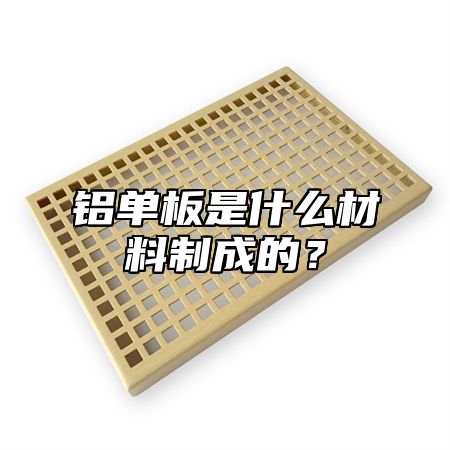
Aluminum veneer is a new type of building material made of aluminum alloy material. Aluminum alloy is a lightweight, durable, and high-strength metal material with excellent decorative and anti-corrosion properties, and is therefore widely used in the construction industry. Let's learn together what material aluminum veneer is made of.
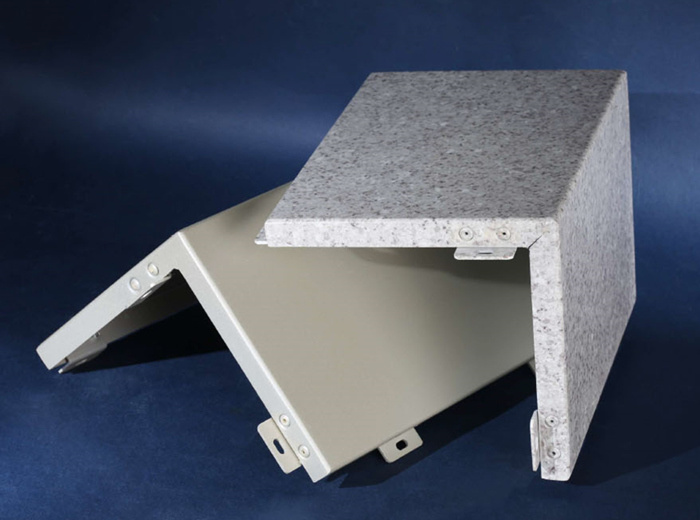
The main material of aluminum veneer is aluminum alloy. Aluminum alloy is an alloy composed of aluminum and other metallic elements, which has high strength and corrosion resistance. Aluminum veneer is usually made of different aluminum alloy materials such as 1100, 3003, 5050, etc., to meet different design requirements and usage environments. 1100 aluminum alloy is the most common type, with good strength and corrosion resistance, suitable for decoration and protection of outdoor buildings.
Aluminum veneer also uses some other materials as auxiliary materials. For example, in order to improve the thermal insulation performance of aluminum veneer, some polyurethane foam or rock wool and other materials are usually added; In order to improve the waterproof performance of aluminum veneer, some polymer waterproof materials are usually added; In order to improve the fire resistance of aluminum veneer, materials such as fireproof coatings are usually added. The use of these auxiliary materials can further improve the comprehensive performance of aluminum veneer, meeting different design requirements and usage environments.
In addition, the production process of aluminum veneer is also very important. The production of aluminum veneer requires advanced production processes and equipment, such as automated production lines, CNC machine tools, etc., to ensure product quality and stability. During the production process, it is also necessary to strictly control the quality and composition ratio of raw materials to ensure that the product meets standards and environmental requirements.
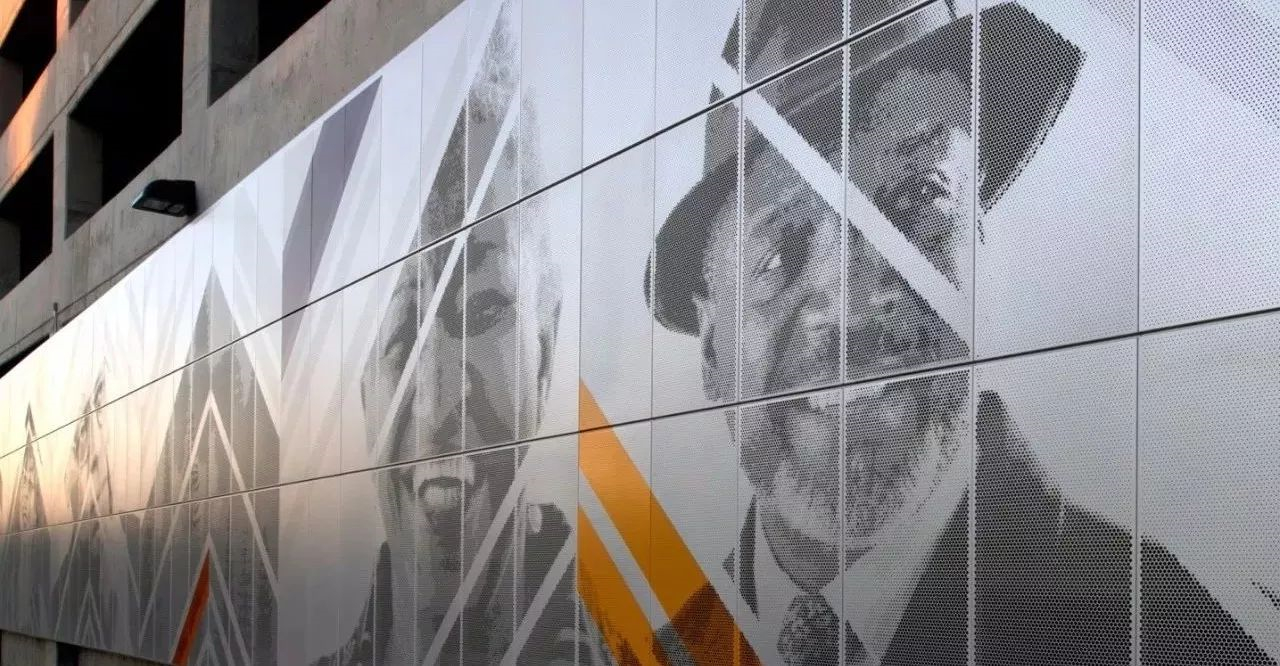
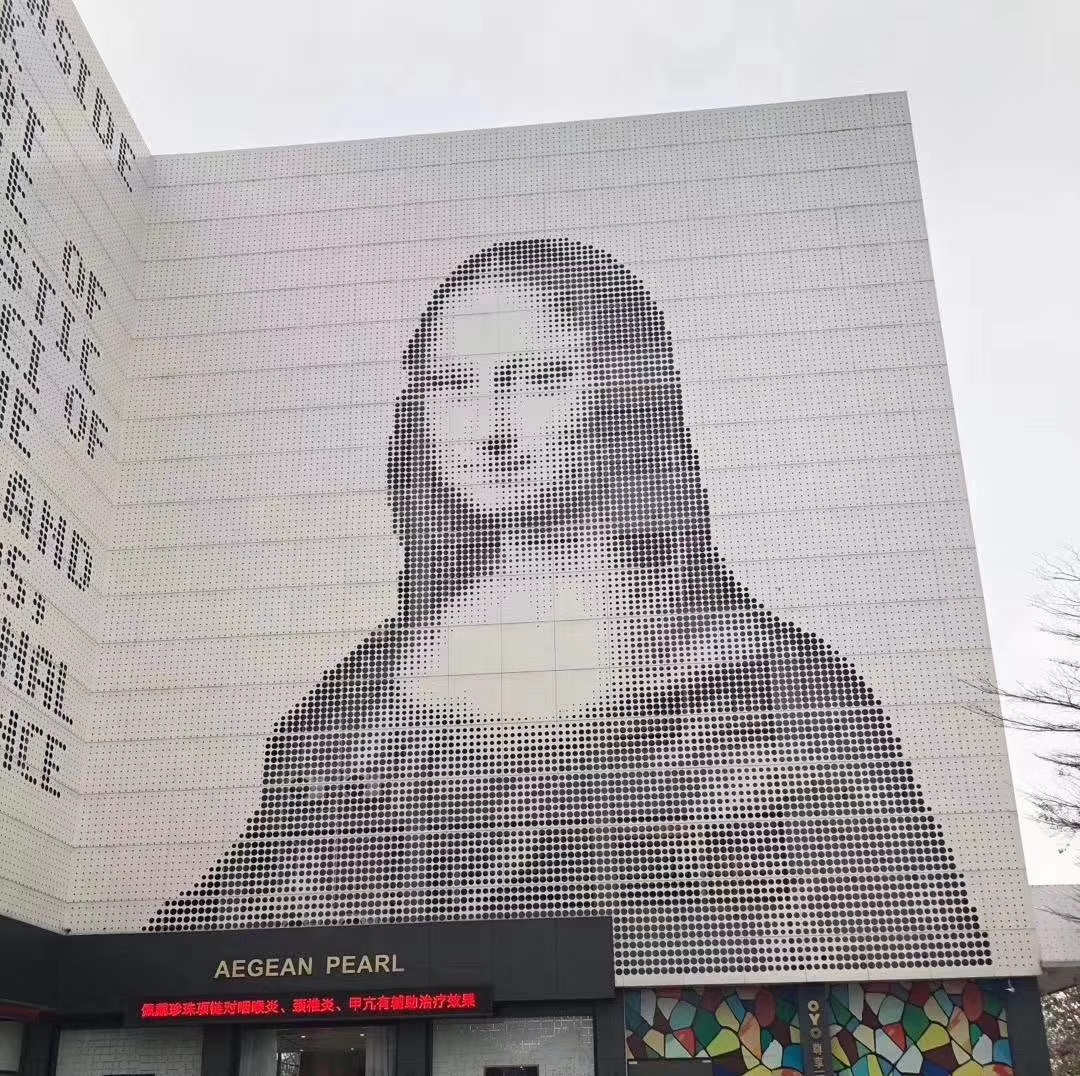
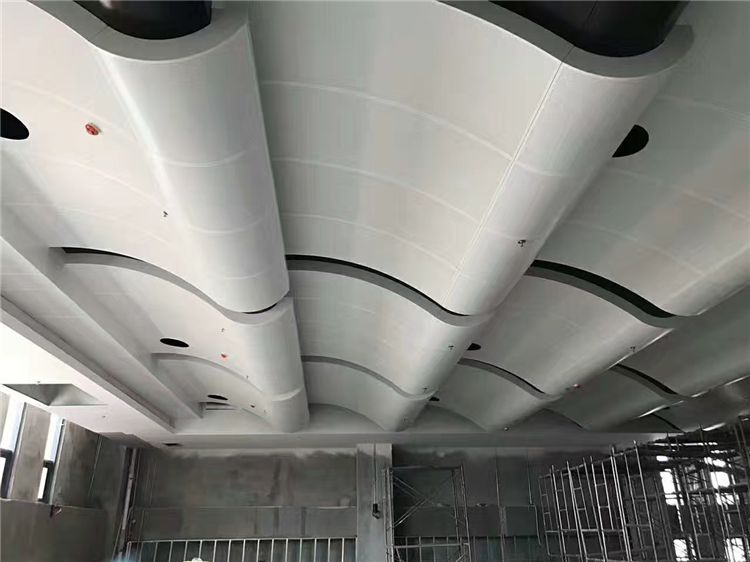
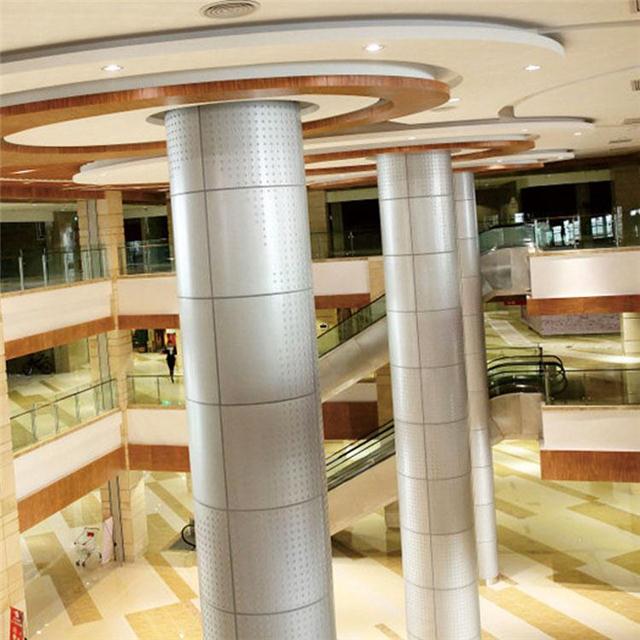
The application range of aluminum veneer is very wide. Aluminum veneer can be used in various fields such as building exterior walls, roofs, interior decoration, etc. For example, in terms of building exterior walls, aluminum veneer can play a role in thermal insulation, fire prevention and waterproofing; In terms of indoor decoration, aluminum veneer can play a role in decorative beautification, moisture-proof and anti-corrosion. Aluminum veneer can also be combined with other materials to form composite walls, composite roofs, etc., further improving its insulation and waterproof performance.
Aluminum veneer is a new type of building material made of aluminum alloy material and other auxiliary materials. Aluminum veneer has the characteristics of lightweight, durability, and high strength, and has a wide range of applications. Only by fully understanding these factors can we fully leverage the advantages of aluminum veneer and contribute to the development of the construction industry. We still need to constantly explore and innovate, develop more environmentally friendly, energy-saving, and sustainable building materials and technologies, and promote the sustainable development of the construction industry.
 Customer service QQ